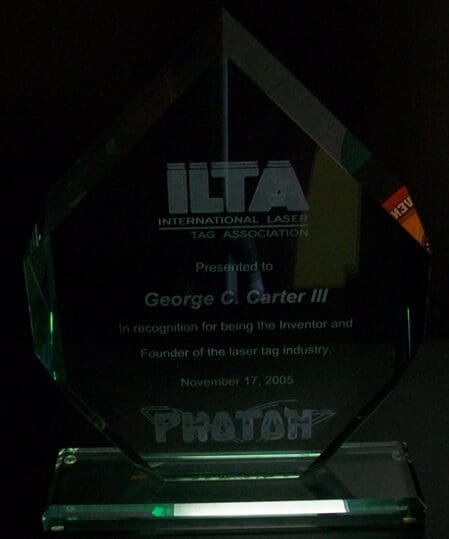
In the Words of the Creator: The Evolution of the Photon Pods and Phasers as told by Inventor George Carter III
The following notes about the various Photon pods and phasers were transcribed from a phone conversation with inventor George Carter III on December 13, 2025.
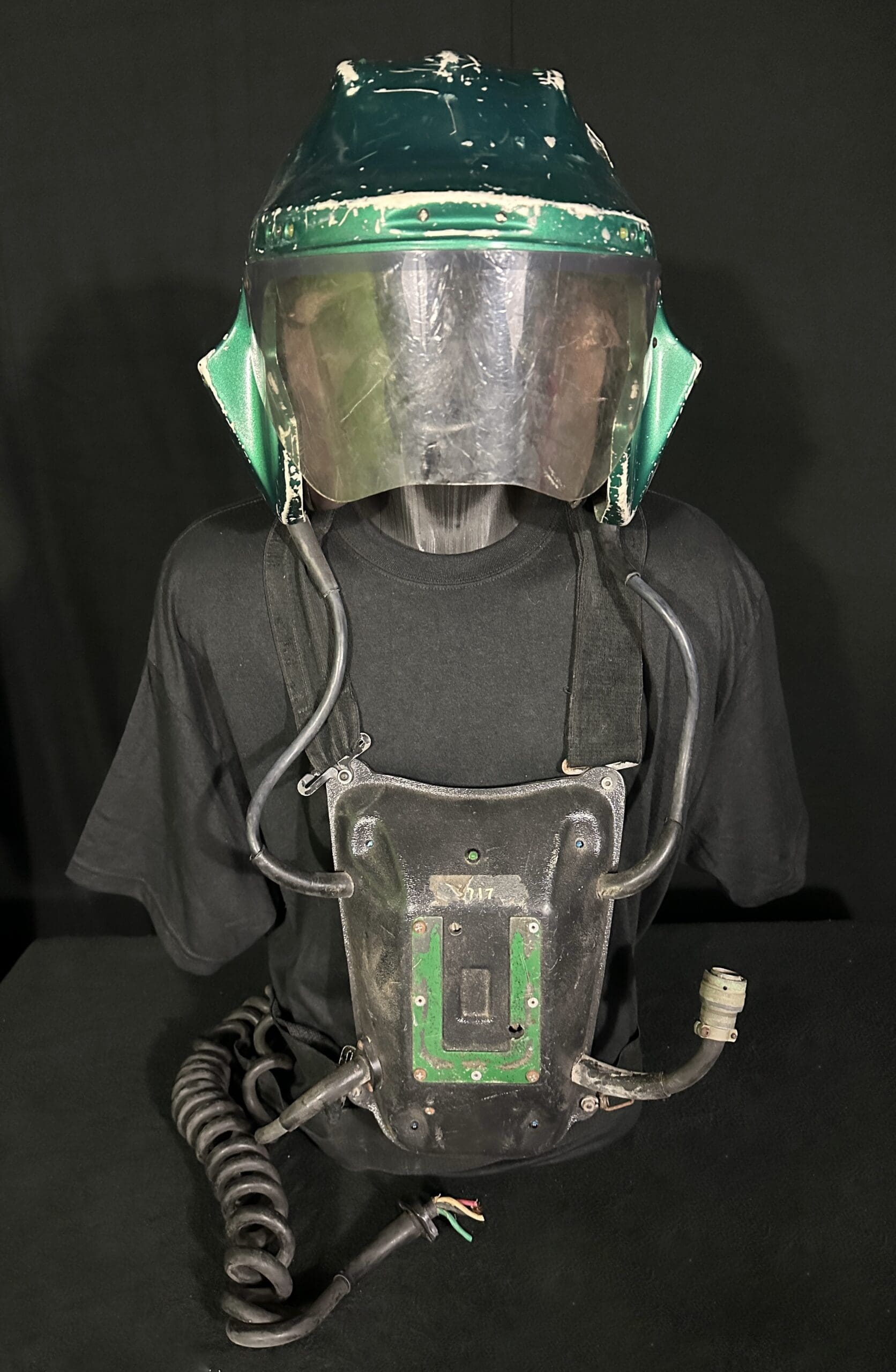
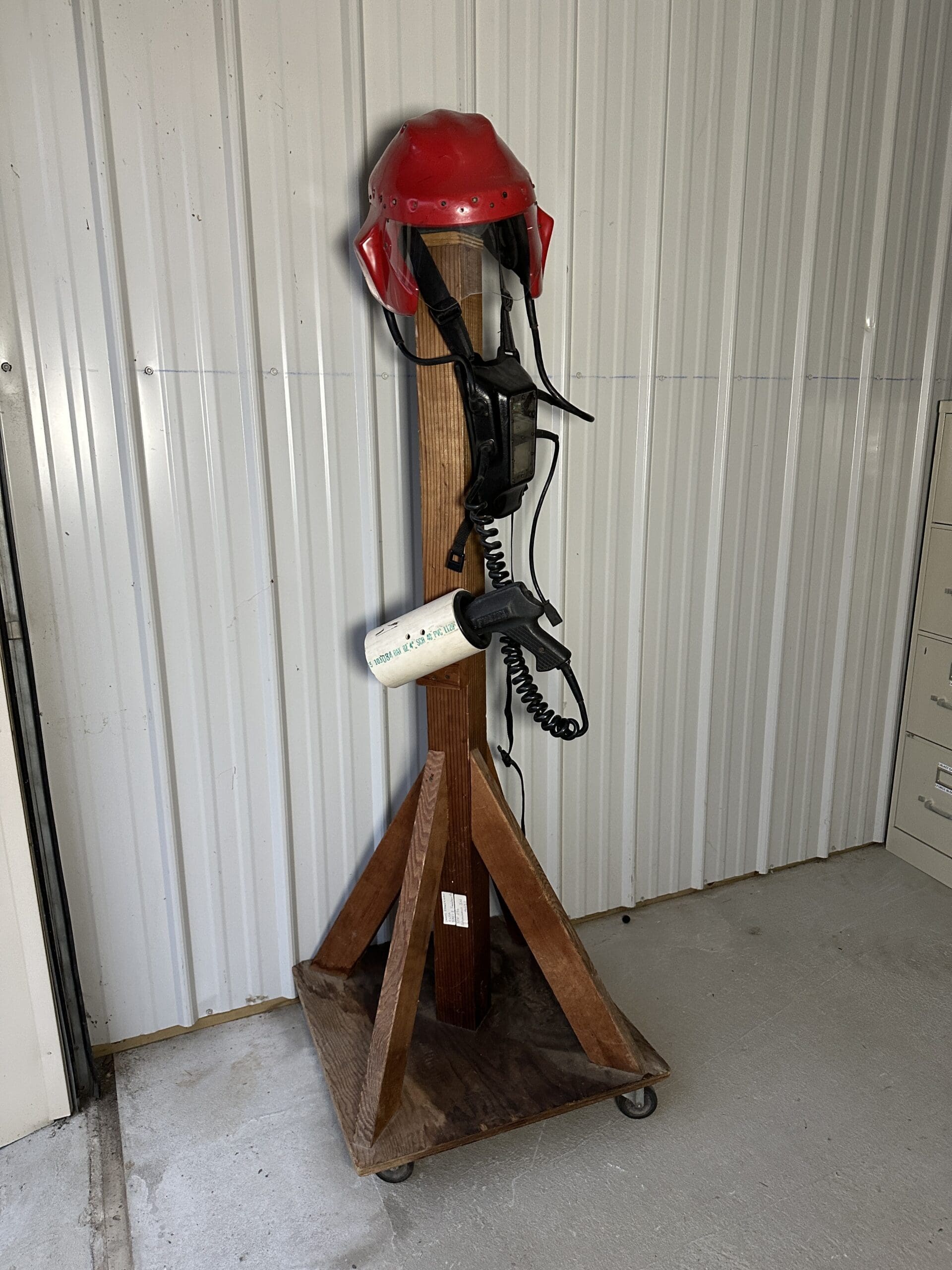
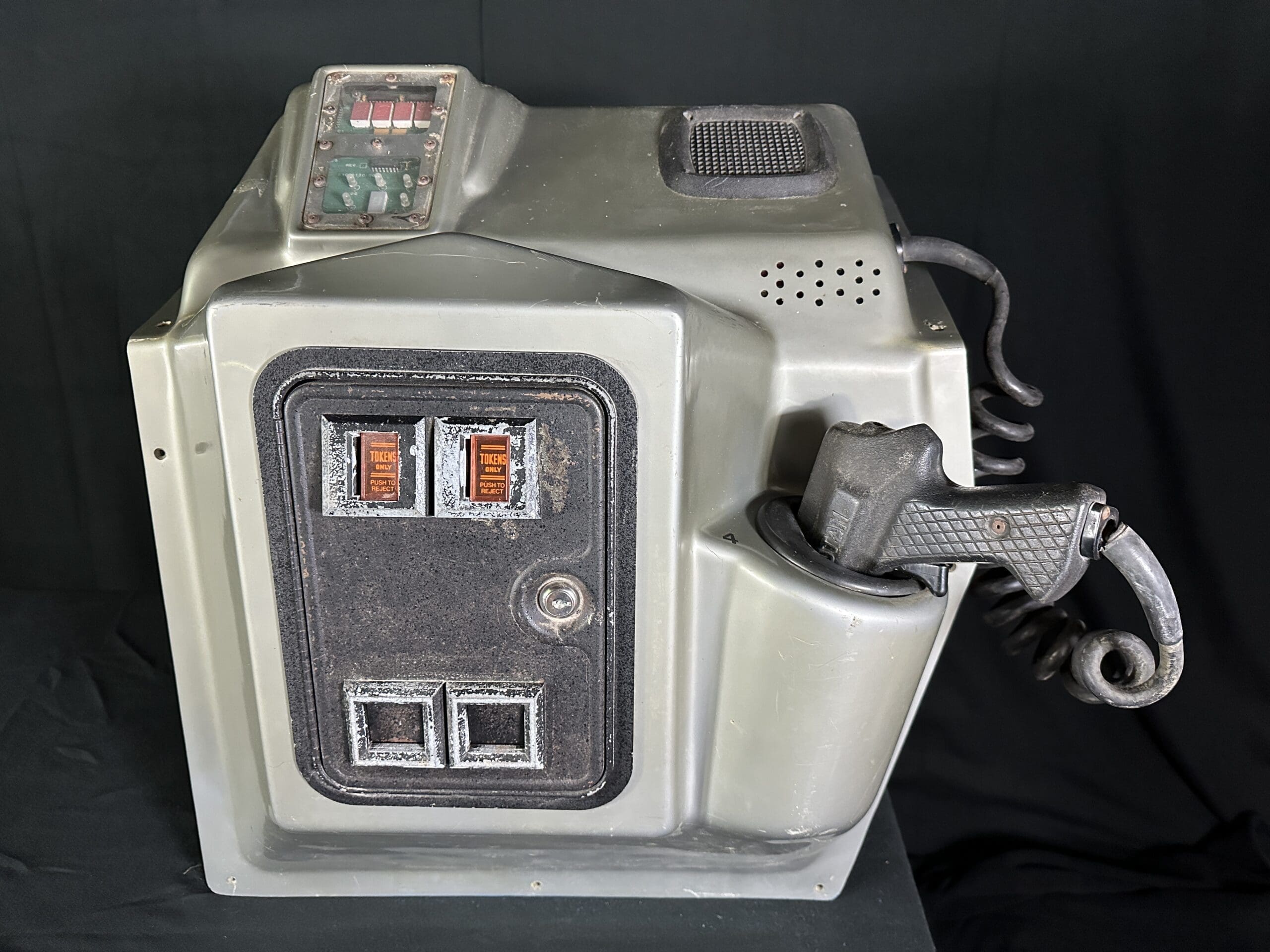
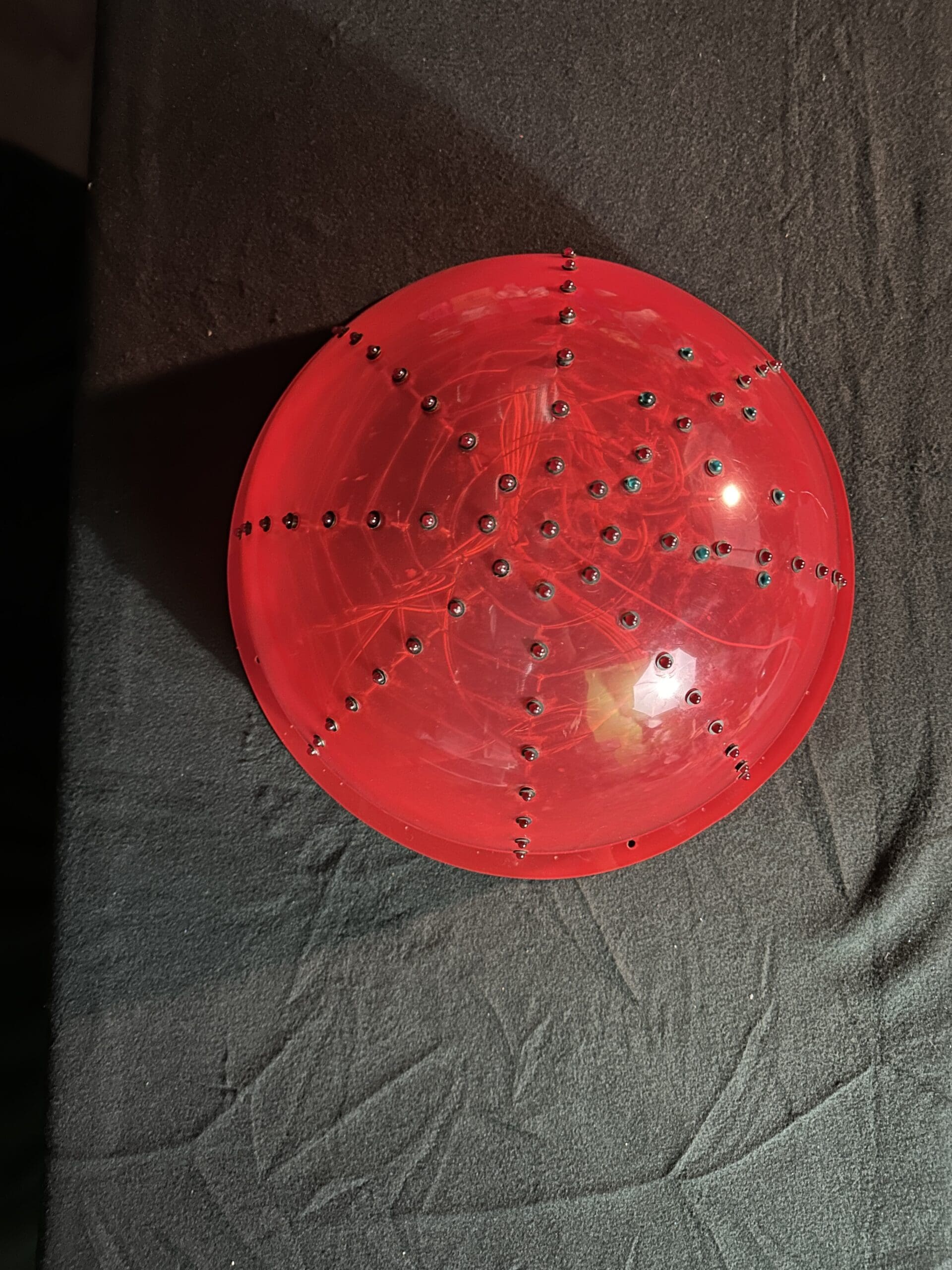
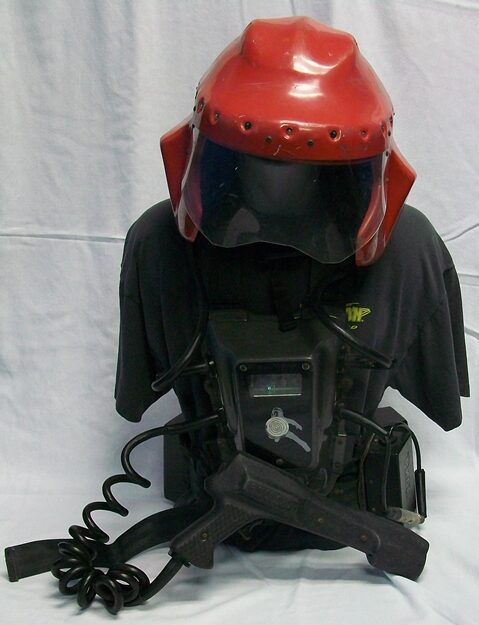
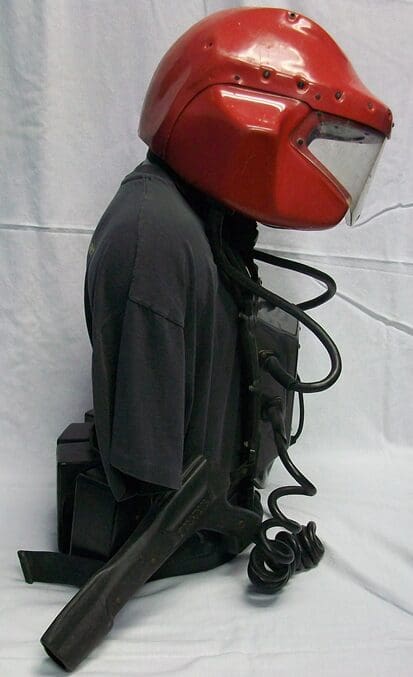
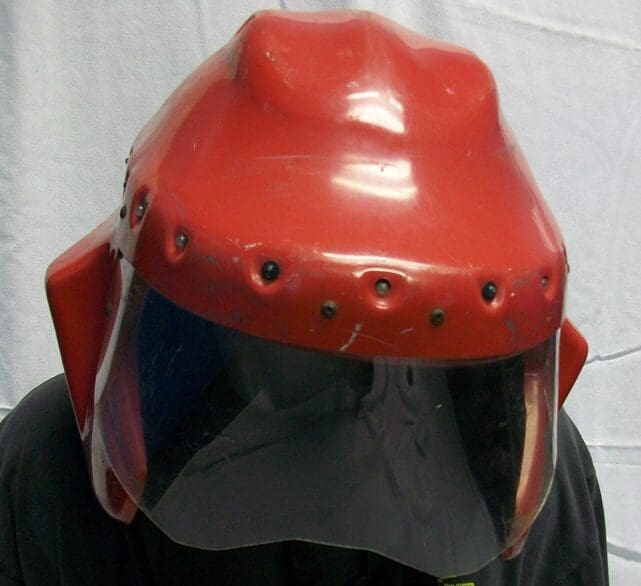
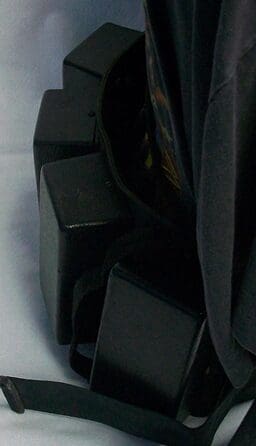
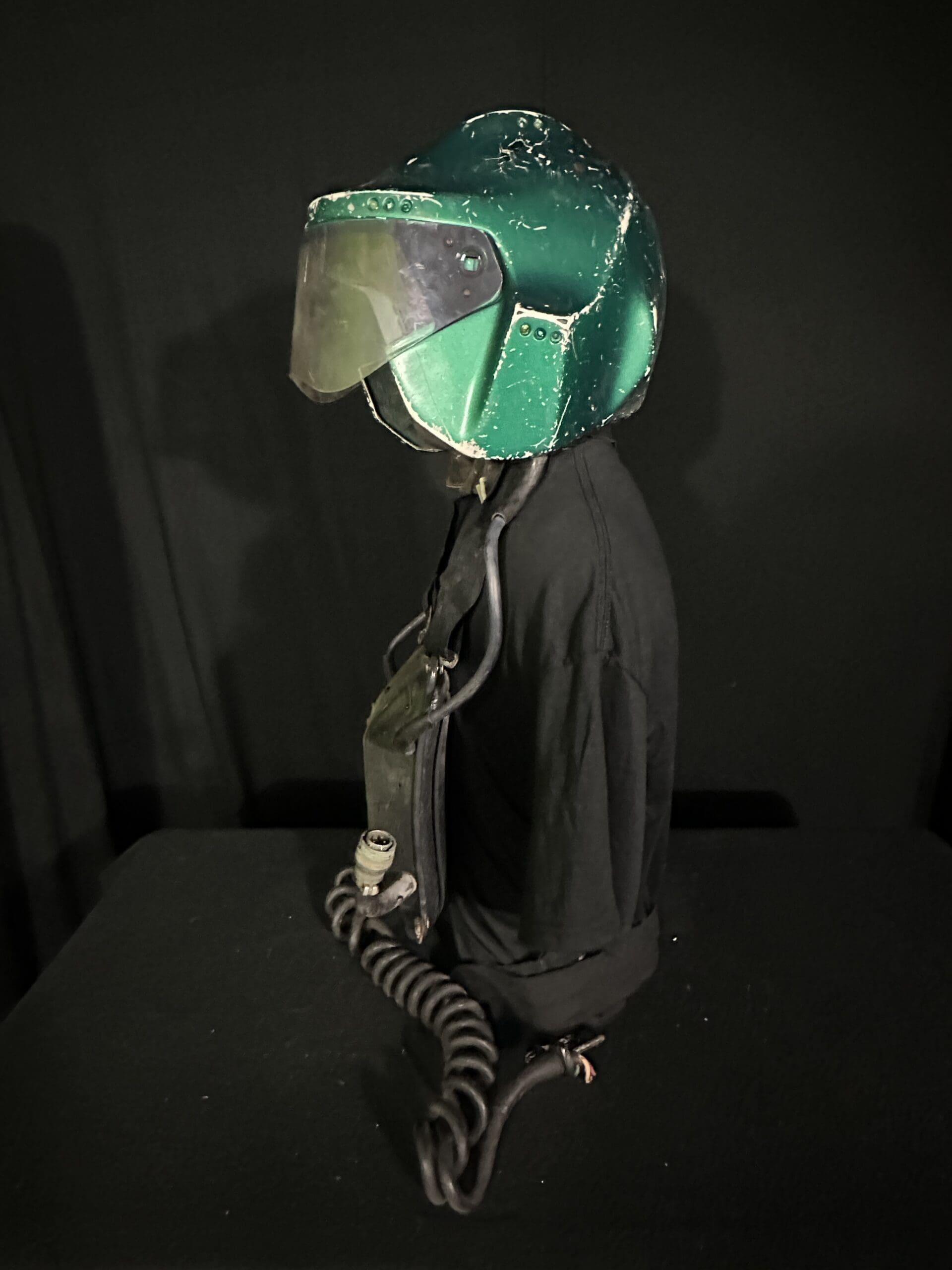
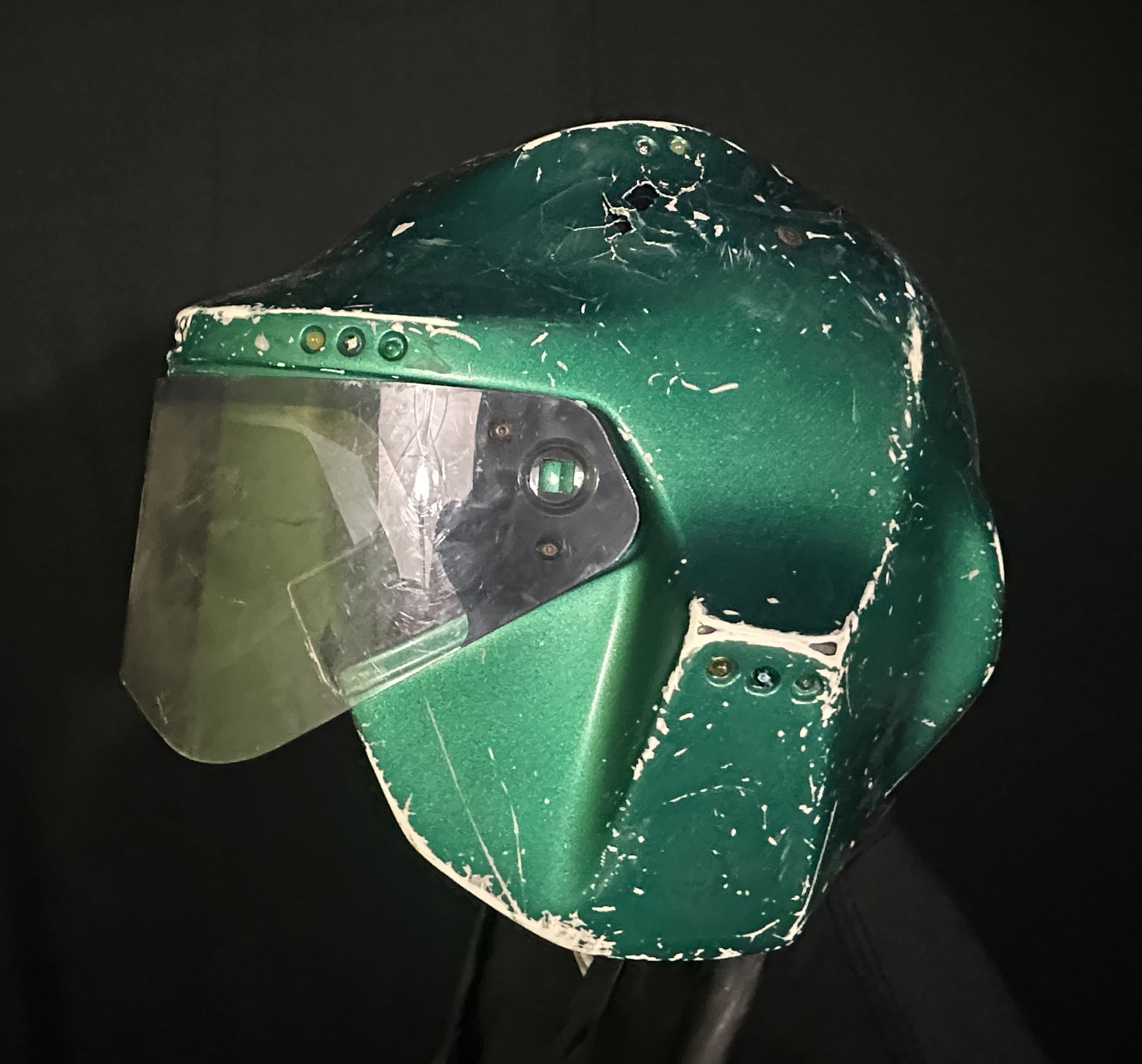
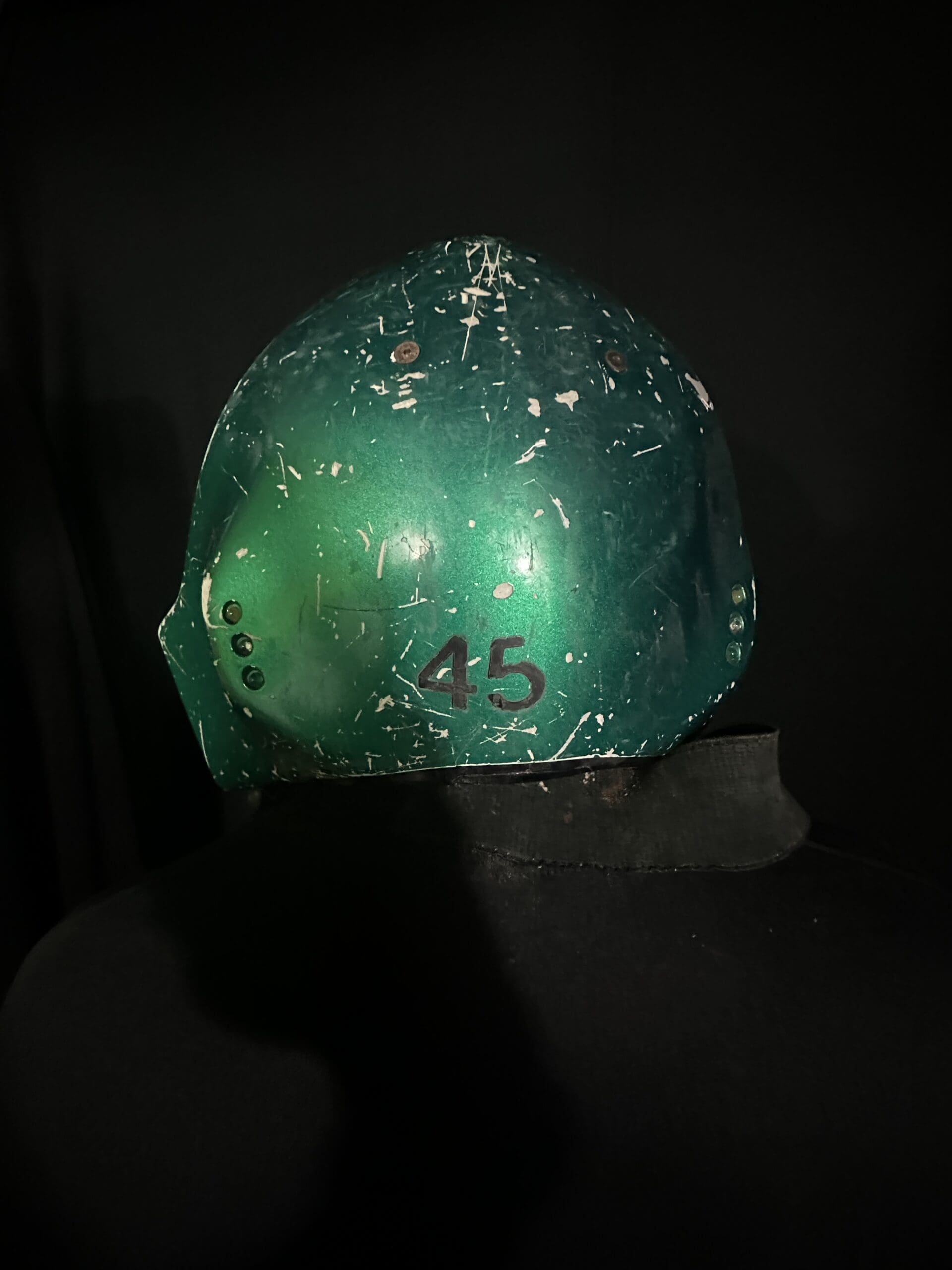
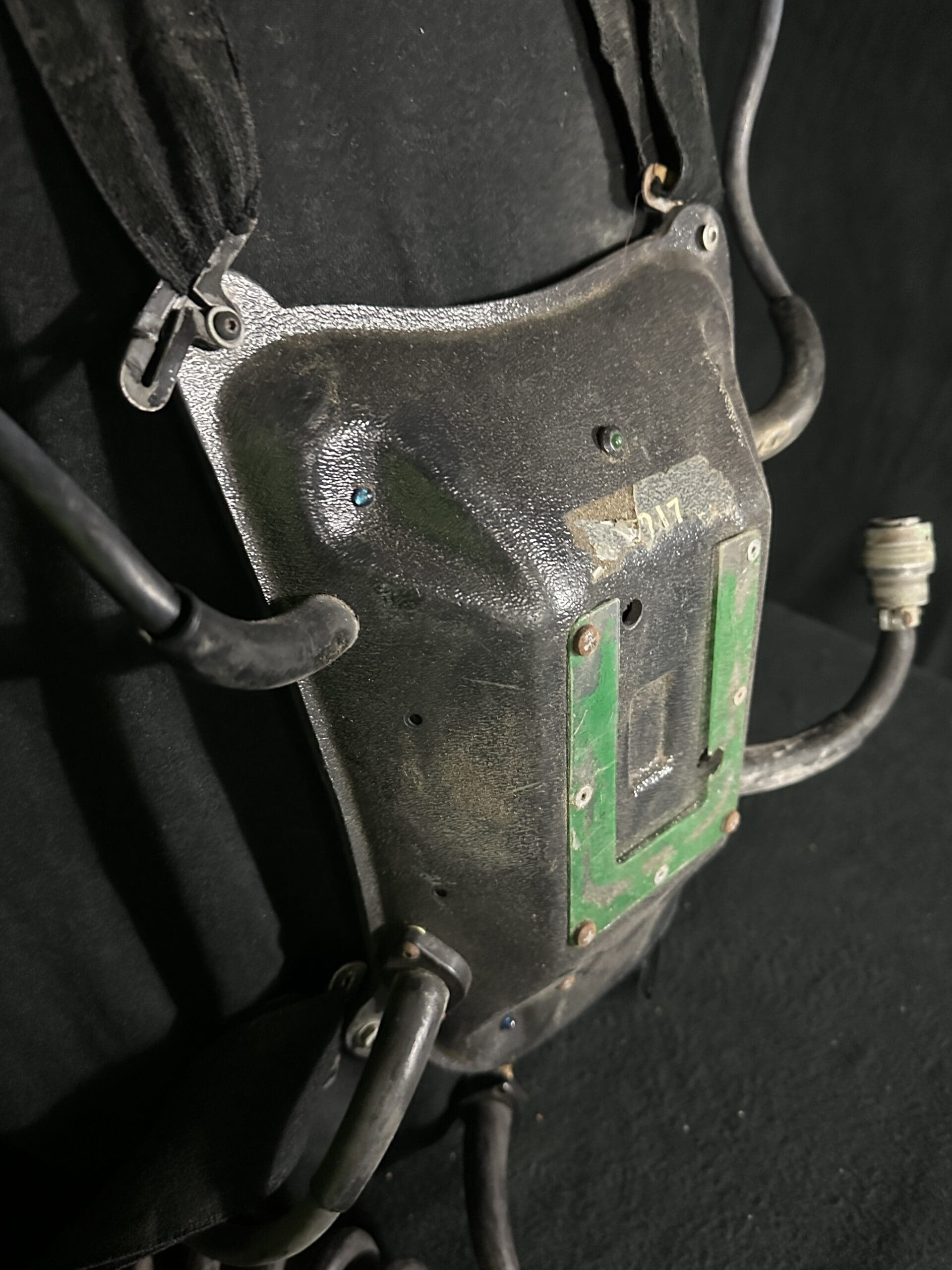
 (Photon first generation pod used in Dallas, TX Photon center)
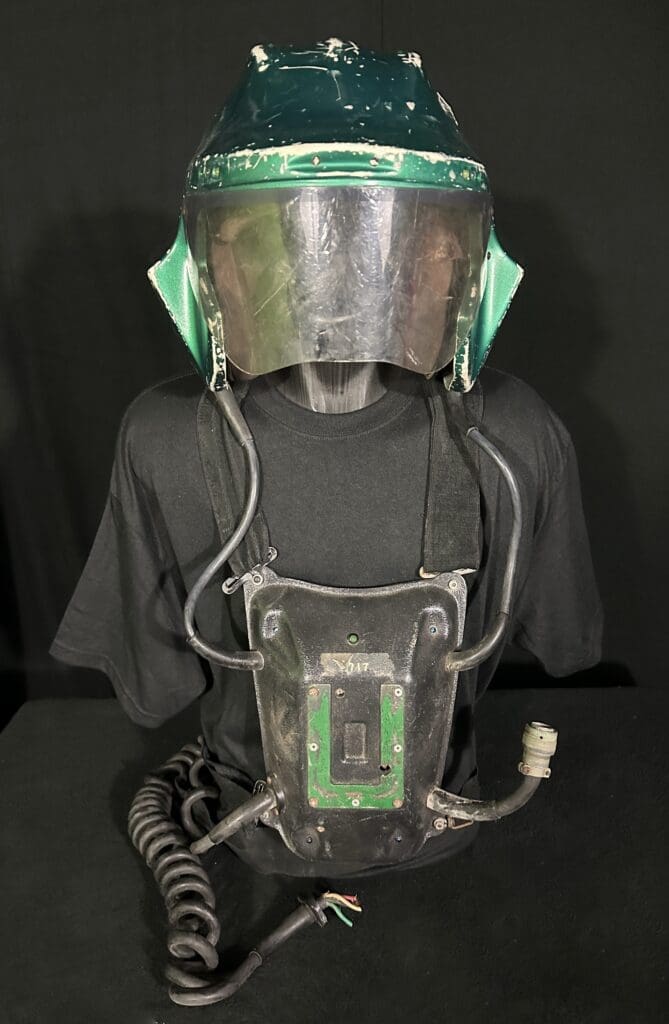
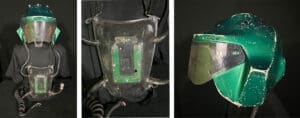
This pod was the very first generation, one of the ones built with a fiberglass helmet that was painted and well used. The scars and marks are from the helmet being run up against walls and phasers. These first pods were only played in Dallas.
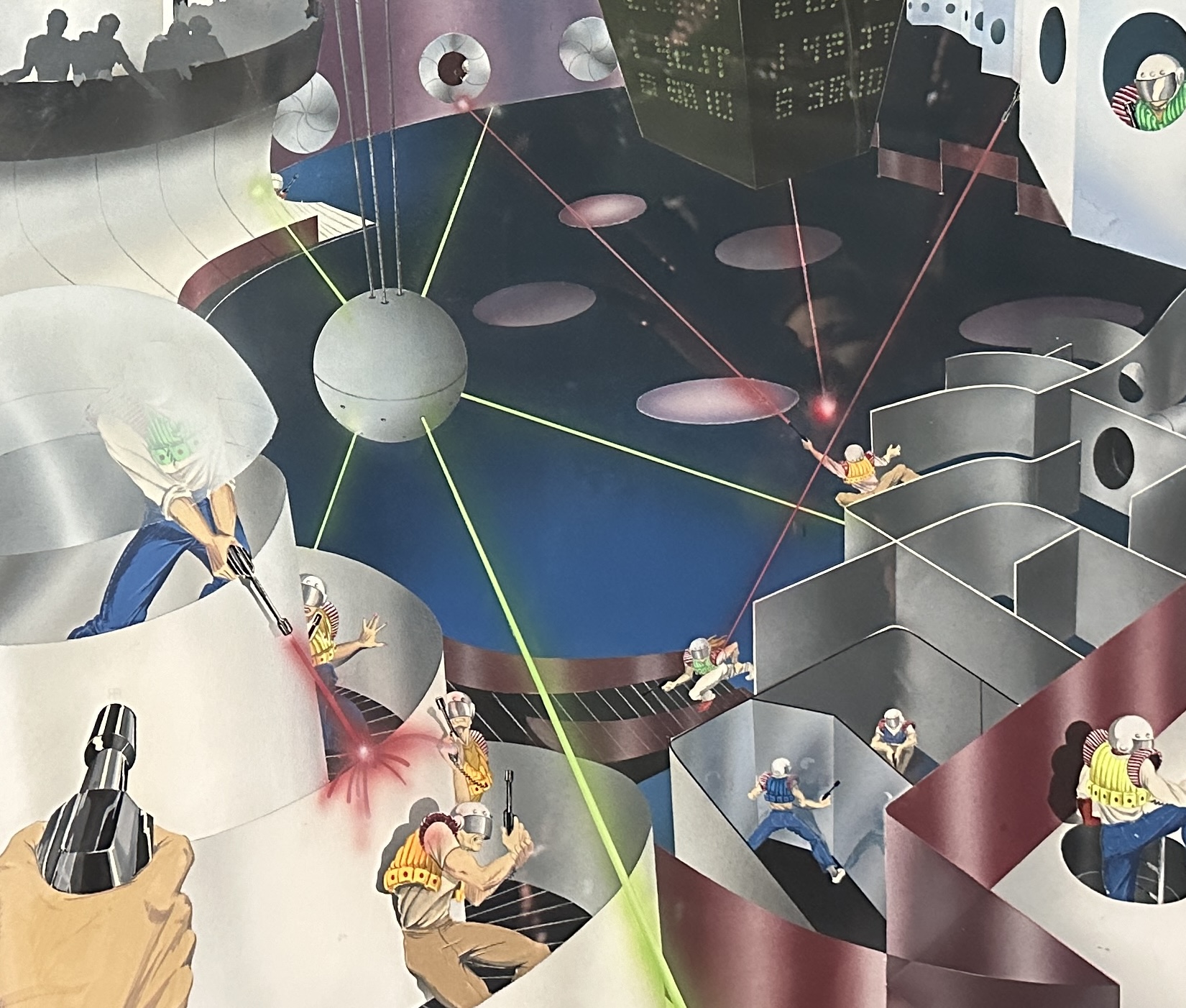
These pods didn’t work very well, but they functioned well enough to play. The gear was spotty, but the good players still won. Everyone had fun and everyone was overwhelmed by the show in the arena. The sound and light were state-of-the-art. We had subwoofers, Roscoe fog, molecular lights and everything looked good in the arena.
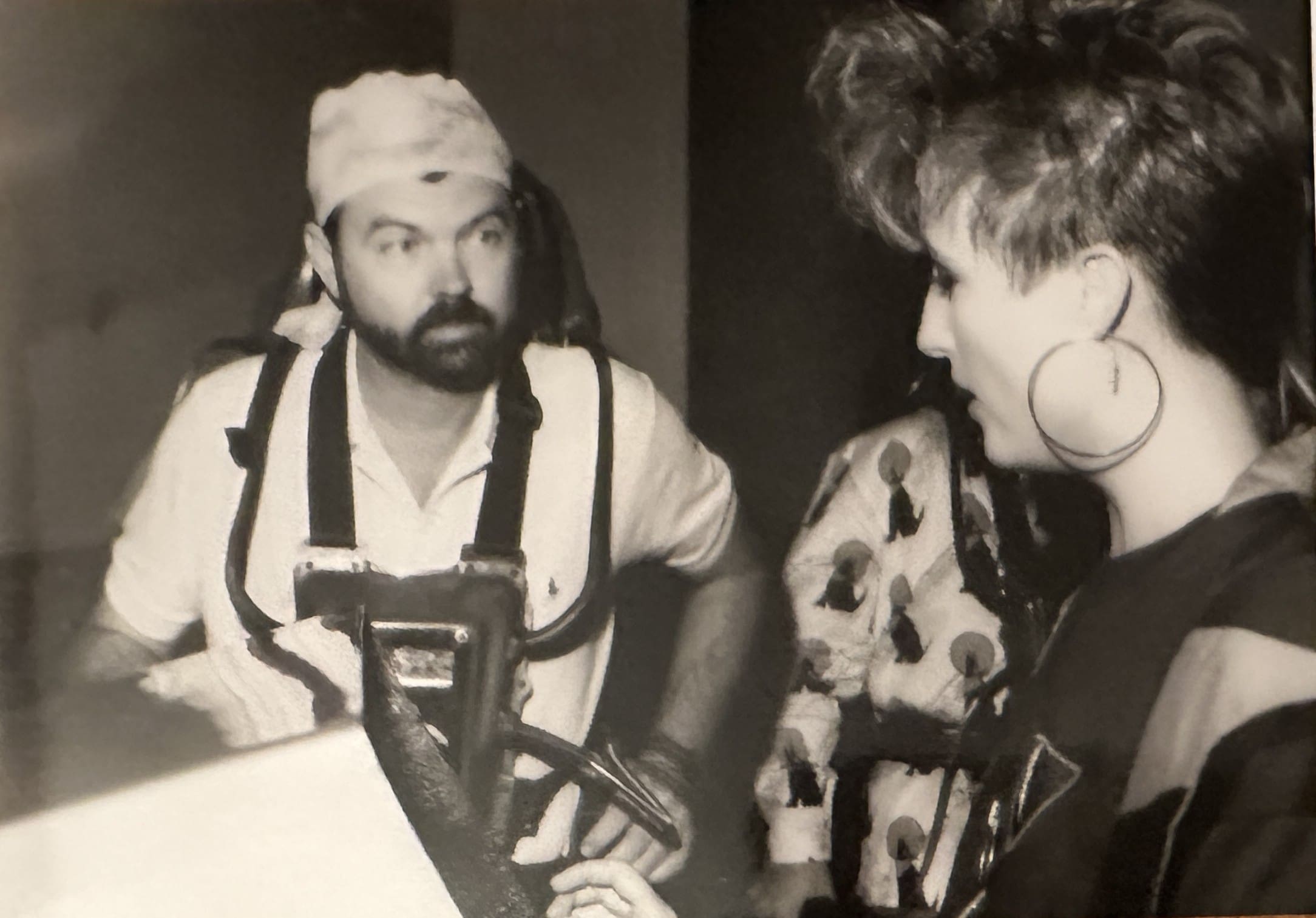
Jim Dooley designed the hardware and software. The first pods were made with a fiberglass helmet and a polycarbonate shield, which really never changed. The pod is made with opaque ABS plastic and was vacuum formed using inexpensive tooling. The two cables that came up to the helmet, led to the antenna that picks up the radio system that would go from the player to the main system. The circuit board was located inside the top of the helmet. We were forced to use a radio hobby frequency with a wavelength of approximately 20 feet. What that means is that an ideal antenna would have been 20 feet. However, you could do increments of a wavelength and a fraction of the wavelength was on the printed circuit board inside the helmet. This was one of several reasons for using a helmet in the first place. Other reasons included players would hear sounds inside the helmet as they were shooting and getting shot and it was obviously protection for the face and eyes against running into walls and other players. The coil cord you can see with the bare wires is where the phaser would go. It was on the right side because most people are right-handed. The other cable with the connector went to the battery belt and charging happened through that same cable. We accomplished two things with this first gear. Running the units proved that the concept was popular and it also showed that technically it could be made to work. We just had to execute it better. The issues with the equipment were primarily related to radio communication. The boards were not properly mounted and there were poor connections. Radio frequency failures meant signals were not getting to the right place at the right time. Using a Faraday cage with standing waves means there were peaks and valleys in the radio waves, which made for areas of good or poor communication with the gear. We minimized this by moving the antenna at the top of the arena around to adjust for those peaks and valleys. This affected whether the score was properly recorded in the system, but a player would never know it. It didn’t change the outcome that much.
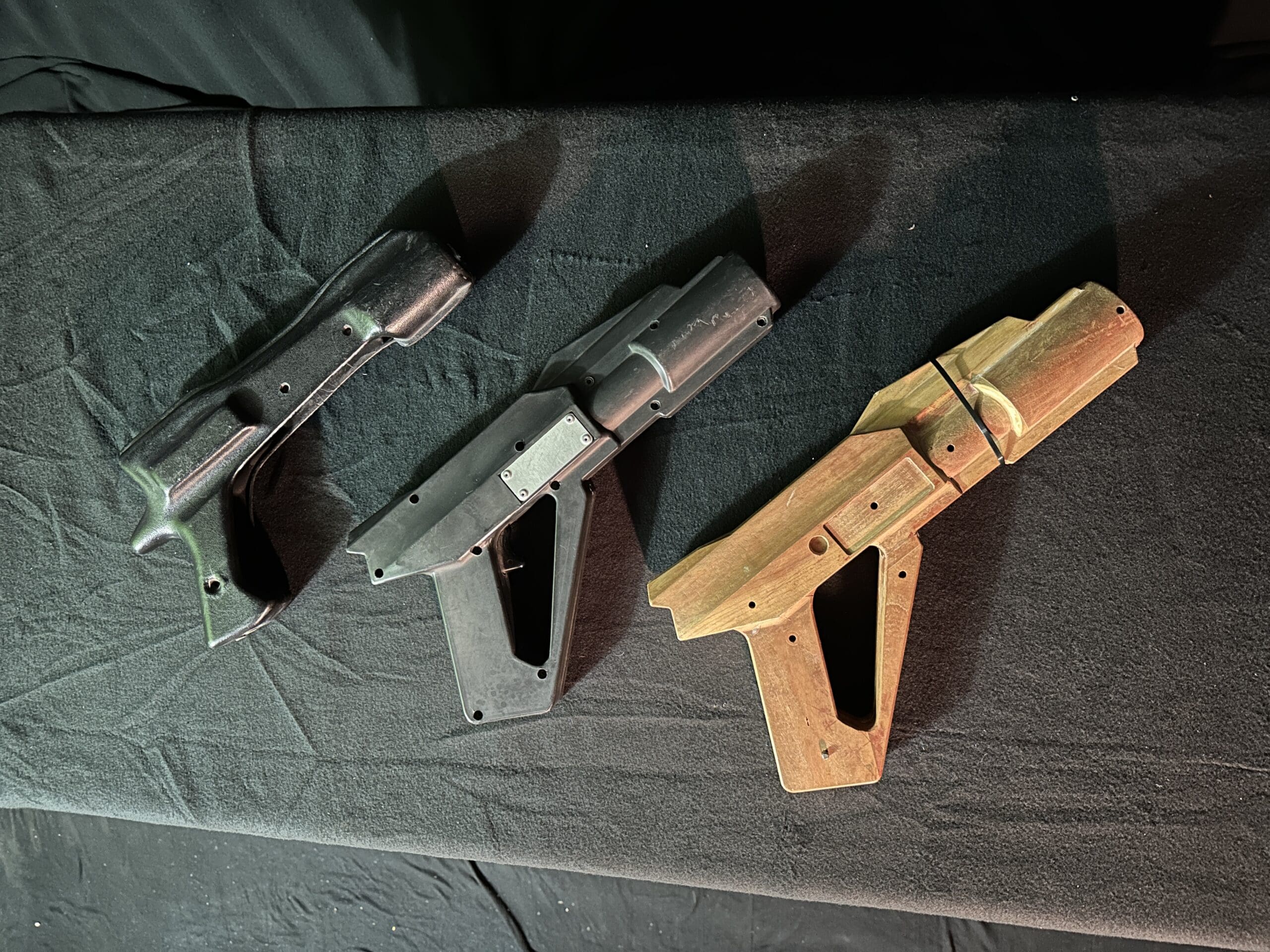
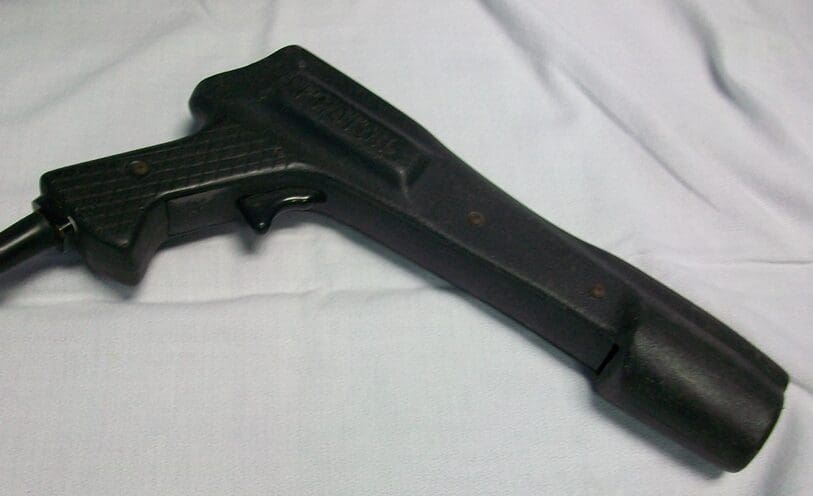
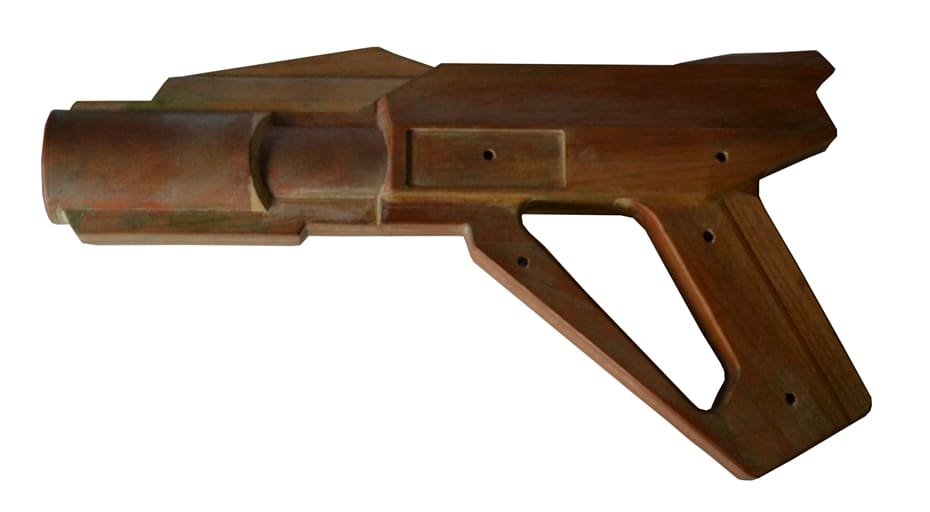
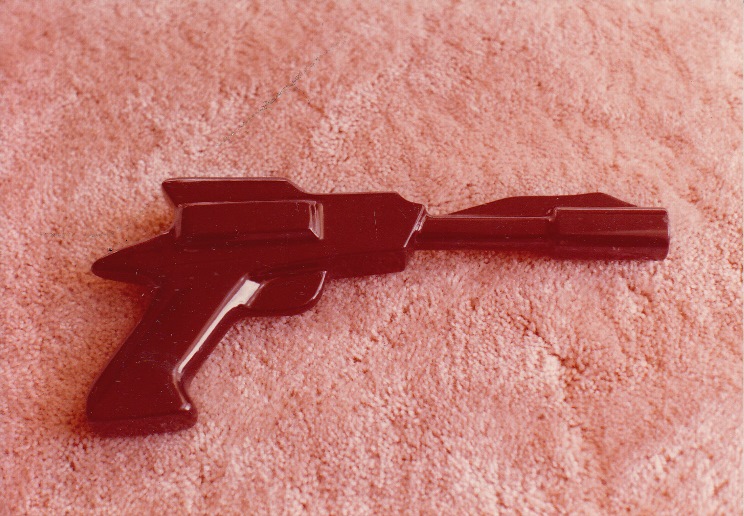
(Photon original first phaser style)
The original phasers had an aluminum barrel and a fiberglass handle.
The next version of the equipment would have shown up roughly about six months prior to the opening of our earliest franchise, just outside of Toronto.
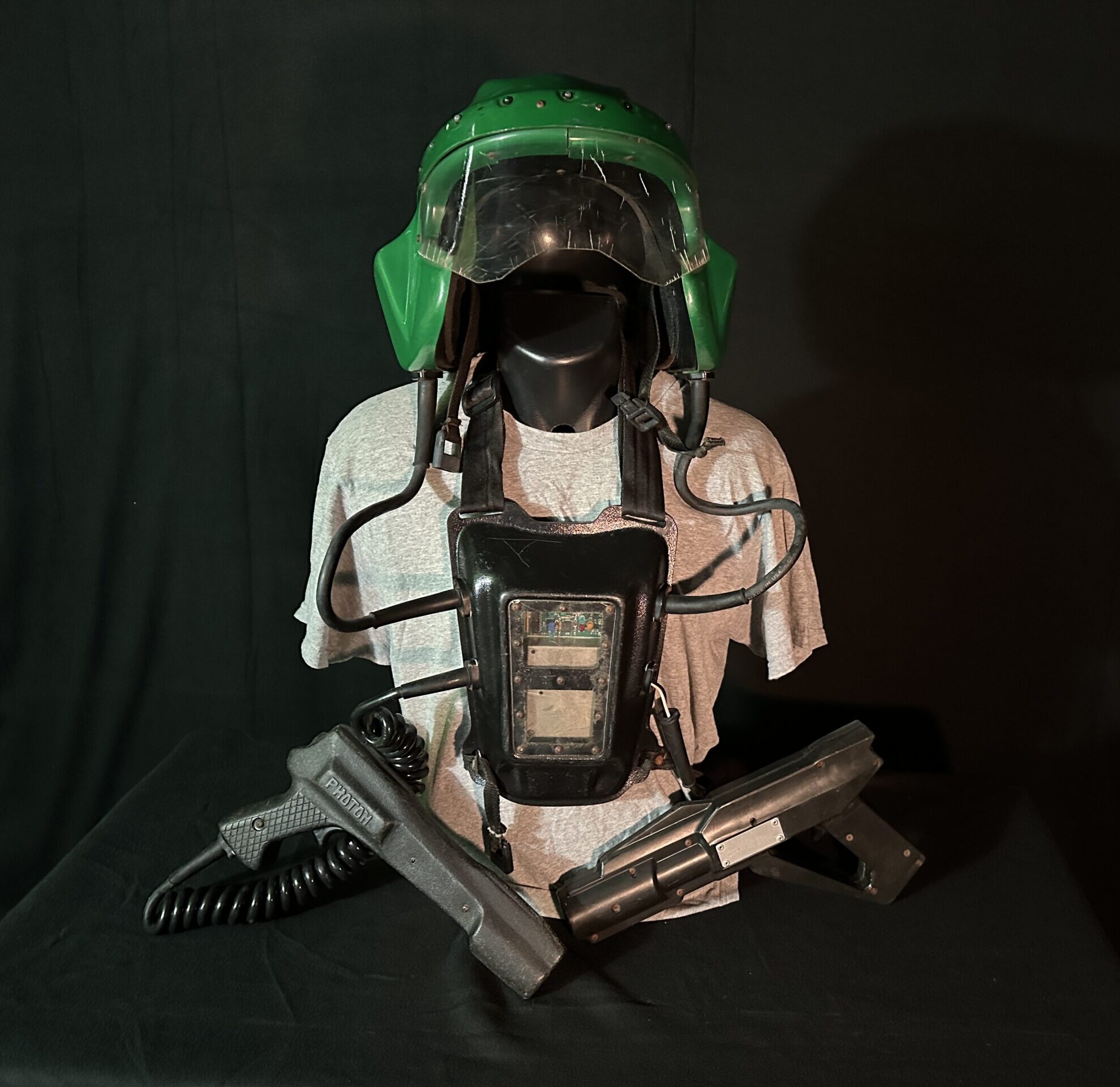
(Photon first production model pod made available to franchises)
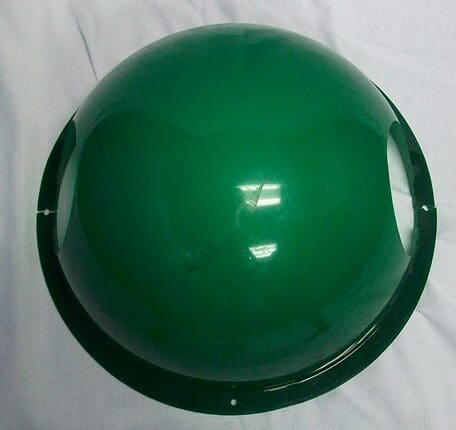
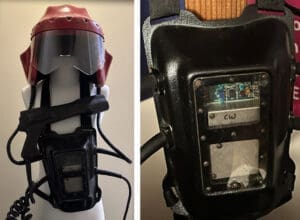
The next version of the equipment was what we would consider the first production model, meaning not “prototypish” like the first gear and it was the first version to go out to the franchises. This generation of gear was when we added the new vacuum formed helmet. The pod went to a clear polycarbonate front. The whole pod was clear and painted on the inside except where wanted clear.
(Photon first production model phaser, assembled from two halves)
The phaser was formed from ABS plastic and made in two halves that screwed together. This was the first properly built phaser. This was our first production model, franchise-worthy system. It was all re-engineered by Kirk Gay, who was an administrative engineer and his staff as well as Dan Salari, who is primarily a software guy. Jim Dooley still worked for us then, but there was friction over changing Dooley‘s original stuff. However, it started to work. There were constant upgrades from this point forward and all the changes were logged with internal changes being made to the circuitry. With our budget, I don’t know how we ever did it! The arena didn’t need very many changes. Dallas would have released and used this equipment before our first franchise, Toronto, followed by our second franchise in Kenilworth, NJ. Kirk kept track of the updates. It would’ve been hard to ID different versions because they were constantly getting updates. Kirk made everything downwardly compatible as new internal upgrades and components were developed.
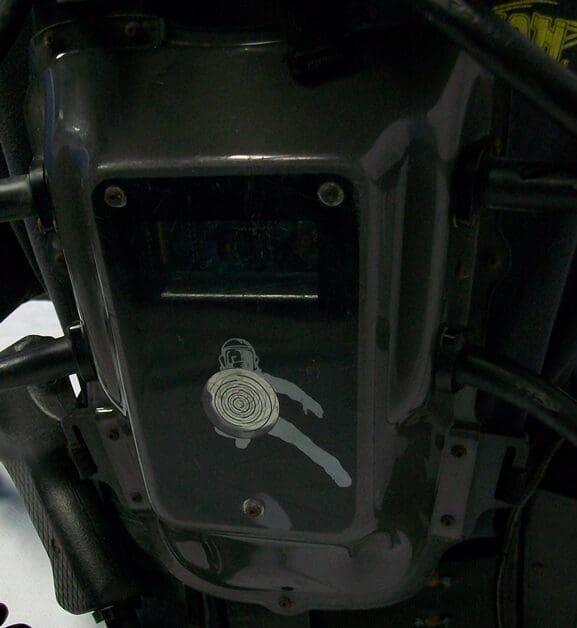
(Photon pod with player logo and second surface painting)
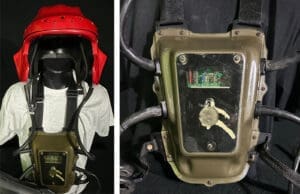
On this pod, you can see the pod is vacuum formed from a different material, back painted on the inside with second surface painting so that it wouldn’t scuff. This version has the player logo on the front of the pod.
(Photon phaser – third design, second-to-last-released)
The second-to-last phaser style we designed is the one with the cross hatching on the handle and the logo on the side. The internal components would have changed along the way, and all versions would have had component upgrades. Any of the phasers up to that point would have been interchangeable.
(Light phaser – final phaser design – V4)
The light phaser was introduced as we were nearing the end. The one thing we couldn’t do was have a laser beam come out of it because the government wouldn’t allow it. No laser beams were allowed. My opinion is that this was always the missing piece. For anything to show up visibly in the arena, you would need to have fog in the air. Our original reason for the fog was that it made for a cool atmosphere. The light phaser was mostly my own design. It used a xenon flash, like you would have on a camera, and a little tube that made a bright light was added. A bright aluminum reflector behind it would reflect the light with the light going forward out of the tube. We surrounded 180° with a cup-shaped bright surface to collect and bounce the light forward, which increased the brightness substantially. What we learned is that a certain duration of the flash (in milliseconds) made a retained image on the retina so it appeared to be a beam traveling across the room. Unfortunately, colored filters would have cut it down too much, so that is why we kept it white light. The person shooting and the person receiving had the easiest time seeing the beam. These light phasers had batteries. This was the last big development we did as we were heading towards the end.
Sincere thanks to George Carter III for providing this first-hand account of the evolution of the Photon pods and phasers.